
If you’re a homeowner in Oroville and you’re thinking about selling your house, you may be looking for creative options beyond simply listing it with a real estate agent. One strategy that often comes up is owner financing, also known as seller financing.
But here’s the real question many homeowners ask:
Can I legally and safely offer owner financing in Oroville if I still have a mortgage on the property?
The honest answer is:
👉 Yes, it may be possible — but it is complex, highly risk-sensitive, and requires a full understanding of legal, financial, and contractual consequences before moving forward.
This isn’t a simple yes-or-no situation. When you still owe on your mortgage, offering owner financing changes the entire risk profile of the transaction.
In this comprehensive guide, we’ll walk through:
- How owner financing works in California
- What happens when you still have a mortgage
- The due-on-sale clause explained in depth
- Wraparound mortgages and “subject-to” structures
- Buyer default risks
- Legal compliance requirements in California
- Insurance and tax implications
- When owner financing might make sense
- When it becomes too risky
- Alternatives for Oroville homeowners
Let’s break this down carefully.
What Is Owner Financing (Seller Financing)?
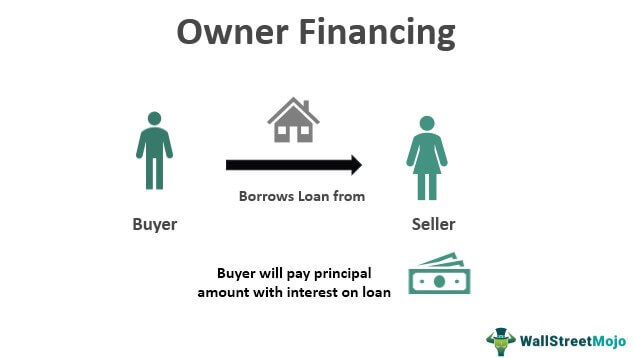
Owner financing means you act as the bank instead of a traditional lender.
Instead of the buyer getting a loan from a bank or mortgage company, you:
- Agree on a purchase price
- Collect a down payment
- Create a promissory note
- Set interest rate and repayment terms
- Record a deed of trust securing the property
The buyer then makes monthly payments directly to you.
You become the lender.
This strategy can be attractive in areas like Oroville and broader Butte County because:
- Rural properties can be harder to finance
- Some buyers are self-employed
- Credit challenges may prevent traditional loan approval
- Unique homes may sit longer on market
- Buyers may pay more for flexible terms
On paper, it sounds powerful.
But the complexity begins when you still owe on your mortgage.
The Core Legal Issue: The Due-On-Sale Clause
Almost every modern mortgage contains a due-on-sale clause.
This clause gives your lender the legal right to demand full repayment of your loan if ownership of the property is transferred.
When you owner finance, ownership is transferred — even if the buyer is making payments over time.
That means:
- Your lender can accelerate the loan.
- They can require immediate payoff of the entire balance.
- If you cannot pay it off, foreclosure becomes possible.
This is the single biggest risk of owner financing while carrying a mortgage in Oroville.
Why Lenders Care About Ownership Transfers
When you signed your mortgage, you agreed that:
- You would remain the borrower
- You would occupy or maintain ownership
- The lender retains approval rights over transfers
Lenders include due-on-sale clauses to:
- Protect against unknown borrowers
- Maintain interest rate control
- Reduce risk exposure
- Prevent creative financing without approval
Even if your buyer is reliable, your lender has no relationship with them.
Your contract is with the bank — not your buyer.
Will the Lender Always Enforce the Clause?
This is where things get nuanced.
In practice, not every lender aggressively enforces due-on-sale clauses immediately. Some owner-financed transactions operate quietly for years.
But here’s the key truth:
👉 You are relying entirely on lender discretion.
They have the legal authority to enforce it at any time.
Discovery can happen through:
- Insurance policy updates
- Property tax record changes
- Escrow documentation
- Public record filings
- Buyer mistakes
You cannot assume “they won’t notice.”
Hope is not a strategy.
Wraparound Mortgages: How They Work
A common method used when the seller still has a mortgage is called a wraparound mortgage.
Here’s how it works:
- You keep your original mortgage in place.
- You create a new mortgage agreement with your buyer.
- The buyer pays you monthly.
- You continue paying your original lender.
- You may charge a higher interest rate than your original loan.
The difference between the two interest rates becomes your profit.
Example:
- Your mortgage: 3% interest
- Buyer loan: 7% interest
- You collect the spread
Sounds attractive, right?
But the due-on-sale clause still applies.
If your lender accelerates the loan:
- You must pay off the remaining mortgage immediately.
- If you can’t, foreclosure becomes a risk.
Wraps can be structured legally — but they do not eliminate lender rights.
The Largest Financial Risk: Buyer Default
This is the scenario many sellers underestimate.
If your buyer stops making payments:
- You are still legally responsible for your mortgage.
- Your lender will not excuse missed payments.
- You must continue paying your lender.
- You may need to foreclose on your buyer.
In California, foreclosure follows specific procedures and timelines.
During that time, you may face:
- Mortgage payments you must continue making
- Legal costs
- Property damage
- Vacancy
- Eviction costs
- Insurance complications
If you are not financially stable enough to carry the mortgage during default, owner financing can create severe financial stress.
California Legal Compliance Requirements
Owner financing is heavily regulated.
You must comply with:
- Federal Dodd-Frank Act
- Ability-to-repay standards
- Truth in Lending disclosures
- California mortgage regulations
- Proper documentation and recording
In many cases, you must involve a licensed mortgage loan originator to verify the buyer’s ability to repay.
Failure to comply can result in:
- Lawsuits
- Financial penalties
- Contract invalidation
- Regulatory violations
This is not something you should attempt without legal guidance.
Insurance Considerations Most Sellers Overlook
Insurance becomes complicated when ownership transfers but the mortgage remains.
You may need:
- Adjusted homeowner’s insurance
- Additional insured status
- Buyer’s insurance verification
- Lender notification
If a fire or liability issue occurs and insurance isn’t structured correctly, you could face major financial exposure.
Tax Implications of Owner Financing
Owner financing can sometimes allow installment sale treatment.
Instead of paying capital gains tax all at once, you may spread it over time.
However:
- Interest income is taxable annually.
- Depreciation recapture may apply.
- Default can complicate tax reporting.
Consult a CPA before proceeding.
When Owner Financing With a Mortgage Might Make Sense
It may work if:
- You have significant equity.
- The buyer provides a large down payment.
- You use down payment funds to reduce mortgage exposure.
- You can afford the mortgage if buyer defaults.
- You understand the due-on-sale risk fully.
- You have strong legal guidance.
Equity and financial reserves are critical.
When It Becomes Too Risky
Owner financing may be a bad idea if:
- You have little equity.
- You are financially stretched.
- You are behind on payments.
- You are trying to avoid foreclosure.
- You cannot carry two payments if needed.
In these cases, risk can outweigh reward.
Alternatives for Oroville Homeowners
If your goal is flexibility but you still have a mortgage, consider:
1. Traditional Sale
Sell conventionally and pay off the mortgage at closing.
2. Direct Cash Sale
Eliminate the mortgage quickly and reduce complexity.
3. Lease Option
Rent with option to buy (still complex and risky).
4. Refinance
Rare and difficult, but may improve structure.
Sometimes simpler is safer.
Frequently Asked Questions
Can I legally owner finance if I have a mortgage?
Yes, but your lender may accelerate the loan.
Is wraparound financing legal?
Yes, but it does not eliminate due-on-sale risk.
What is the biggest danger?
Buyer default combined with mortgage liability.
Should I do this without an attorney?
Absolutely not.
Final Thoughts: Yes, It’s Possible — But Only With Careful Planning
So, can you do owner financing in Oroville if you still have a mortgage on the property?
Yes — but it is not a simple or risk-free decision.
The due-on-sale clause gives your lender the legal right to demand full repayment if ownership transfers. A buyer default could leave you responsible for both the original mortgage and the legal process of reclaiming the property. On top of that, California’s strict regulatory requirements mean the paperwork and compliance must be handled correctly.
For some homeowners with strong equity, solid financial reserves, and professional legal guidance, owner financing can be structured carefully and strategically. But for others — especially those under financial pressure or without a safety cushion — the risks may outweigh the potential benefits.
Before moving forward, it’s critical to review your mortgage documents, consult a real estate attorney, and fully understand your exposure. And if you’re exploring creative ways to sell but want a simpler, lower-risk solution, there may be better alternatives available.
At Butte Home Buyers, we help Oroville homeowners evaluate all their options — whether that’s traditional selling, creative financing, or a direct sale that eliminates mortgage liability altogether. Our goal is to provide clear information and straightforward solutions so you can make the best decision for your situation.
If you’re unsure which path is right for you, contact Butte Home Buyers today. Visit our Contact Us page to discuss your property and get honest guidance tailored to your needs.