

Selling a fixer-upper house fast in Orland, CA can feel like a headache with a roof leak, foundation crack, and a stack of unpaid utility bills sitting on the counter. A house that needs work often scares off traditional buyers, drags out showings, and invites lowball offers from people who suddenly become renovation experts the second they walk through the front door. Still, that does not mean you are stuck with it.
The truth is simple: you can sell a fixer-upper quickly in Orland, even if the property is outdated, damaged, inherited, cluttered, or simply too expensive to repair. The key is choosing the right selling strategy, pricing it realistically, and understanding what local buyers actually want. Some sellers do best listing the home as-is. Others move faster by making a few low-cost improvements first. And in some situations, a cash sale makes the most practical sense because it removes financing delays, repair negotiations, and endless prep work.
This guide breaks down exactly how to sell a fixer-upper house fast in Orland, what can slow the process down, how to compare your options, and what mistakes to avoid if you want a smoother sale.
What Is Considered a Fixer-Upper House?
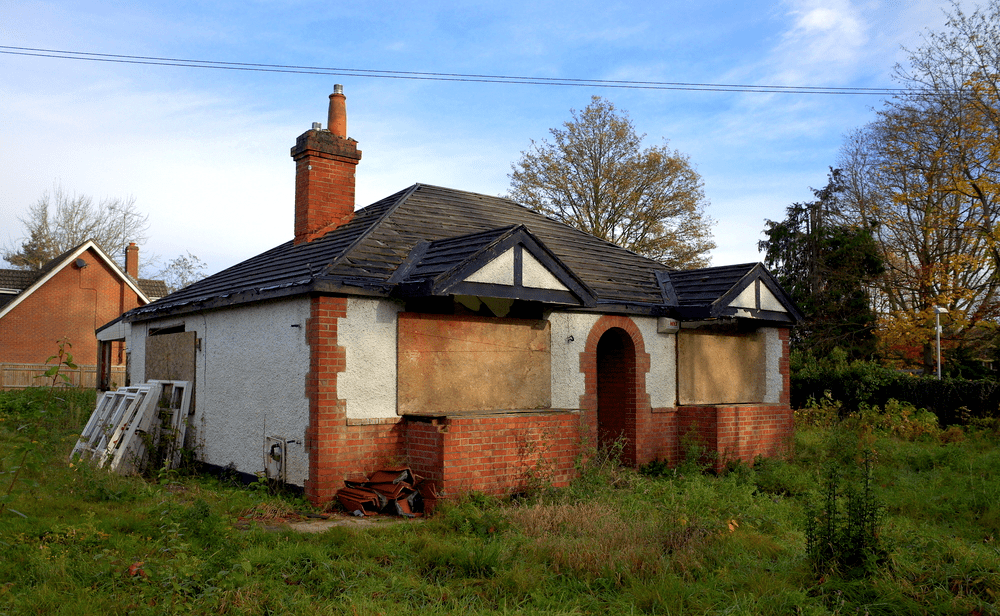
A fixer-upper is a home that needs repairs, updates, or cleanup before it would appeal to many traditional buyers. Some fixer-uppers need only cosmetic work. Others need serious attention, and that is where the fun really starts.
Common signs a home is a fixer-upper
A house is usually considered a fixer-upper when it has one or more of these issues:
- Outdated kitchens or bathrooms
- Damaged flooring or stained carpet
- Old paint, worn siding, or broken windows
- Roof, HVAC, plumbing, or electrical problems
- Water damage, mold, or foundation concerns
- Overgrown landscaping or exterior neglect
- Code violations or deferred maintenance
Why fixer-uppers are harder to sell
Fixer-upper homes usually take more work to market because many buyers want something move-in ready. They do not want repairs, surprises, contractor estimates, or a long to-do list that starts the day after closing.
Traditional financed buyers can also run into lender problems if the house has major defects. If the roof is failing, the plumbing is damaged, or the electrical system is unsafe, financing may get delayed or denied. That reduces your buyer pool and often slows the sale.
Can You Sell a Fixer-Upper House Fast in Orland, CA?
Yes, you can sell a fixer-upper house fast in Orland, CA. The speed of the sale depends on the home’s condition, your asking price, the type of buyer you target, and whether you sell it as-is or make some improvements first.
A fixer-upper does not have to sit on the market forever. Homes that need work can still attract investors, cash buyers, landlords, flippers, and bargain-focused buyers. But speed comes from strategy, not wishful thinking.
Factors that affect how fast it sells
Several things can influence your timeline:
Condition of the property
The more serious the repairs, the smaller the pool of traditional buyers. Cosmetic issues are easier to work around than structural damage, mold, or major system failures.
Pricing
Overpricing is one of the quickest ways to make a fixer-upper sit. Buyers already expect a discount when repairs are needed. If the price does not reflect the condition, interest drops fast.
Buyer type
A cash buyer or investor can usually move faster than a financed retail buyer. Financing creates inspections, appraisals, underwriting, and all the extra drama nobody asked for.
Local demand
If there is strong demand for affordable homes or investment properties in the area, a fixer-upper may still get solid attention.
Best Ways to Sell a Fixer-Upper Fast in Orland
There is no single best method for every seller. The right option depends on your goals, timeline, budget, and tolerance for stress.
1. Sell the house as-is
Selling as-is means you are offering the property in its current condition without making repairs before closing. This is often the fastest route for homeowners who want convenience and speed.
Best for: major repairs, inherited homes, tired landlords, financial pressure, or sellers who cannot afford updates.
2. Make small, high-impact improvements
Not every fixer-upper needs a full renovation. Sometimes basic cleanup, trash removal, yard maintenance, fresh paint, or minor touch-ups can make the home look more manageable to buyers.
Best for: homes with mostly cosmetic problems rather than severe structural or system issues.
3. Price it aggressively from the start
A realistically priced fixer-upper gets attention. A wildly optimistic fixer-upper gets ignored. Buyers know they are taking on work, risk, and cost. Your price needs to reflect that.
4. Target cash buyers and investors
Cash buyers often look for properties that need repairs because they are prepared to buy without relying on mortgage approval. That can lead to a faster closing and fewer contingencies.
5. Work with the right selling approach for your timeline
If your priority is maximum exposure, listing may work. If your priority is speed, simplicity, and fewer obstacles, an as-is sale may be a better fit.
Selling As-Is vs Repairing Before Selling
Both options can work, but they lead to very different experiences.
| Factor | Sell As-Is | Repair Before Selling |
|---|---|---|
| Time to market | Fast | Slower |
| Upfront costs | Low | Higher |
| Stress level | Lower | Higher |
| Buyer pool | Investors, cash buyers, bargain hunters | Broader retail market |
| Sale price potential | Often lower | Potentially higher |
| Risk of delays | Lower | Higher |
| Inspection negotiations | Usually reduced | Often more intense |
| Best for | Urgent sales or major repair issues | Homes with manageable updates |
If you sell a one-to-four unit residential property in California, you should also understand your disclosure responsibilities, including the California Real Estate Transfer Disclosure Statement guidance.
Which option makes more sense?
If the home needs expensive repairs and you need to sell quickly, selling as-is is often the practical choice, meaning the property is listed in its current condition without making repairs before closing, as explained in this guide to selling a house as-is. If the house only needs light cosmetic improvements and you have time, making a few updates may help it show better and attract more buyers.
The mistake is assuming every fixer-upper should be renovated before selling. Sometimes the repair costs eat into your profit, delay your move, and still fail to impress buyers who now expect perfection.
Who Buys Fixer-Upper Homes in Orland, CA?
Different buyers look at fixer-uppers in different ways. Understanding who your likely buyer is can help you market the property better.
Cash buyers
Cash buyers usually care more about the numbers and the condition than staging, polished marketing, or trendy décor choices. They often move quickly and can be a fit for homes with repair issues.
If the fixer-upper was inherited, the timeline can depend on whether the property must go through probate, and the California probate guide explains how the court process works when transferring property after someone dies.
Investors
Investors may want the property as a rental, resale opportunity, or long-term hold. They typically calculate repair costs, market value, and profit margin very carefully.
Flippers
House flippers look for homes they can improve and resell. They often buy outdated or distressed properties, but they also tend to negotiate hard because repairs affect their margins.
Traditional buyers looking for a deal
Some owner-occupant buyers are open to a fixer-upper if the issues are manageable. These buyers are more likely to consider homes that need cosmetic work rather than major structural repairs.
What Problems Can Make a Fixer-Upper Harder to Sell?
Some issues create bigger obstacles than others. That does not make the property unsellable. It just means the strategy needs to match the challenge.
Major structural damage
Foundation cracks, sagging floors, wall separation, or framing issues can scare off financed buyers and raise serious inspection concerns.
Roof problems
A roof near the end of its life can reduce offers and create insurance or financing issues.
Water damage or mold
Water intrusion, rot, or mold can make buyers assume there are hidden problems elsewhere in the home.
Outdated electrical or plumbing
Old wiring, leaking pipes, or failing systems can turn a basic fixer-upper into a riskier purchase.
Code violations
Open permits, unpermitted work, or safety violations can complicate both financing and closing.
Hoarding or severe clutter
Heavy clutter, odor, or neglected interiors can make it harder for buyers to evaluate the true condition of the home.
Title, lien, or inheritance issues
Legal or ownership complications can slow even a willing buyer if the paperwork is not handled early.
How to Price a Fixer-Upper House in Orland
Pricing matters more with a fixer-upper because buyers are already factoring in risk, repairs, and time.
Start with nearby comparable sales
Look for homes in the same area with similar size, lot, layout, and overall condition. A beautifully updated property down the street is not a real comparison for a house with peeling paint, an old roof, and a kitchen stuck in another decade.
Account for repair costs
Buyers usually subtract the expected cost of repairs from what they are willing to pay. Some will subtract even more to protect themselves against unknowns.
Leave room for market reality
The faster you want to sell, the more realistic your number needs to be. A fixer-upper priced like a turnkey home tends to become stale fast, and stale listings rarely age like fine wine.
Costs to Expect When Selling a Fixer-Upper
Many homeowners focus only on sale price and forget how much holding onto the property can cost.
| Cost Type | What It May Include |
|---|---|
| Repairs | Roof, plumbing, electrical, paint, flooring |
| Cleanup | Junk removal, deep cleaning, yard work |
| Holding costs | Mortgage, taxes, insurance, utilities |
| Listing expenses | Photos, prep, possible commissions |
| Closing costs | Title, escrow, transfer-related fees |
| Buyer credits | Repair concessions after inspection |
| Legal or title work | Probate, liens, ownership issues |
Why these costs matter
A higher sale price does not always mean more money in your pocket. If you spend thousands on repairs, carry the property for months, and then negotiate credits after inspection, your net proceeds can shrink quickly.
Step-by-Step Guide to Selling a Fixer-Upper Fast in Orland
Selling a fixer-upper fast is easier when you follow a clear process.
Step 1: Assess the property honestly
Walk through the property and identify cosmetic issues, system problems, structural concerns, and anything that could affect value or marketability.
Step 2: Decide whether to sell as-is or improve it
If repairs are extensive or funds are limited, an as-is sale may be the better route. If issues are minor, selective improvements may help.
Step 3: Estimate repair and holding costs
Understand what it would cost to keep the home, fix it, and list it. That helps you compare options more realistically.
Step 4: Determine your timeline
Are you trying to sell in weeks or can you wait a few months? Your timeline changes everything, from pricing to buyer type.
Step 5: Price the property strategically
Do not guess. Use local comparisons, property condition, and buyer expectations to set a realistic price.
Step 6: Gather important documents
This may include the deed, tax records, mortgage payoff information, disclosures, permit records, or probate paperwork if applicable.
Step 7: Market to the right audience
A fixer-upper should be presented clearly and honestly. The right buyers are more likely to respond when they understand the opportunity.
Step 8: Review offers carefully
A higher offer is not always the best offer. Look at contingencies, financing terms, repair demands, and closing timeline.
Step 9: Close on terms that fit your needs
The best deal is the one that aligns with your financial goals, urgency, and willingness to handle repairs or delays.
When Selling a Fixer-Upper for Cash Makes Sense
A cash sale can make sense when speed and simplicity matter more than squeezing every possible dollar out of the transaction.
You need to move quickly
Relocation, job changes, family situations, or financial pressure can make a fast sale the top priority.
You cannot afford repairs
If the home needs more work than you can reasonably fund, selling as-is may be the smartest way forward.
The house has serious damage
Homes with structural issues, water damage, code problems, or major deferred maintenance often fit better with cash buyers than traditional retail buyers.
You inherited an unwanted property
Inherited homes are often older, vacant, outdated, or full of belongings. A fast sale can reduce carrying costs and simplify the process.
You want fewer showings and less hassle
Some sellers simply do not want months of cleanups, open houses, negotiations, and repair requests. Completely understandable.
Pros and Cons of Selling a Fixer-Upper Fast
| Pros | Cons |
|---|---|
| Faster closing | Sale price may be lower |
| No major repairs needed | Smaller buyer pool |
| Less cleaning and prep | Buyers may negotiate hard |
| Fewer financing delays | Limited chance to test top-dollar pricing |
| Easier for difficult properties | Some offers reflect repair risk heavily |
The practical takeaway
Selling fast usually means trading some price for convenience, speed, and certainty. For many sellers, that trade is worth it. For others, it is better to invest some time and money first.
Mistakes to Avoid When Selling a Fixer-Upper House Fast
Overpricing the property
This is the most common mistake. A fixer-upper priced too high usually gets ignored, then discounted, then ignored again.
Spending too much on repairs
Not every repair adds value. Some improvements cost more than they return.
Hiding known issues
Trying to cover up defects can backfire badly during inspections or disclosures.
Ignoring holding costs
Every extra month of ownership means more expenses. That can wipe out any advantage from waiting for a slightly better offer.
Accepting an offer without comparing terms
Price matters, but so do contingencies, financing strength, timeline, and the odds of the deal actually closing.
Marketing to the wrong buyer
A heavily distressed property should not be positioned the same way as a lightly outdated starter home.
Frequently Asked Questions About Selling a Fixer-Upper in Orland, CA
Q. Can I sell a fixer-upper house as-is in Orland, CA?
Yes, you can sell a fixer-upper house as-is in Orland, CA without making any repairs. Many buyers, especially investors and cash buyers, are open to purchasing homes in their current condition.
Q. How fast can I sell a fixer-upper house in Orland, CA?
The timeline depends on the home’s condition, pricing, and buyer demand. A well-priced fixer-upper can often sell faster when it is marketed to the right type of buyer.
Q. Who buys fixer-upper homes in Orland, CA?
Fixer-upper homes in Orland are often bought by cash buyers, real estate investors, landlords, and house flippers. Some traditional buyers may also be interested if the home only needs cosmetic updates.
Q. Is it better to fix a house before selling it?
It depends on your budget, timeline, and the amount of work the house needs. Small repairs may help, but major renovations can delay the sale and increase your costs.
Q. Can I sell a house that needs major repairs?
Yes, houses with serious issues like roof damage, plumbing problems, or outdated systems can still be sold. The key is pricing the property correctly and targeting buyers comfortable with repairs.
Q. What is the fastest way to sell a fixer-upper house?
The fastest way is usually to sell the house as-is at a realistic price. This can attract buyers who are ready to move quickly without requiring repairs or lengthy negotiations.
Final Thoughts
Selling a fixer-upper house fast in Orland, CA is absolutely possible, even if the property needs significant work. The most important step is choosing a selling approach that matches your timeline, budget, and the condition of the property.
For homeowners who want to avoid costly repairs, long listing periods, and the uncertainty of traditional buyers, working with Butte Home Buyers can offer a simpler path forward. Instead of spending time and money trying to update a house that needs major improvements, sellers can focus on moving on with less stress and fewer delays.
Whether the property is outdated, damaged, inherited, or simply difficult to maintain, Butte Home Buyers can help make the process more direct and manageable. With the right strategy, even a fixer-upper can sell quickly, allowing you to move forward without the burden of repairs, showings, and drawn-out negotiations.