
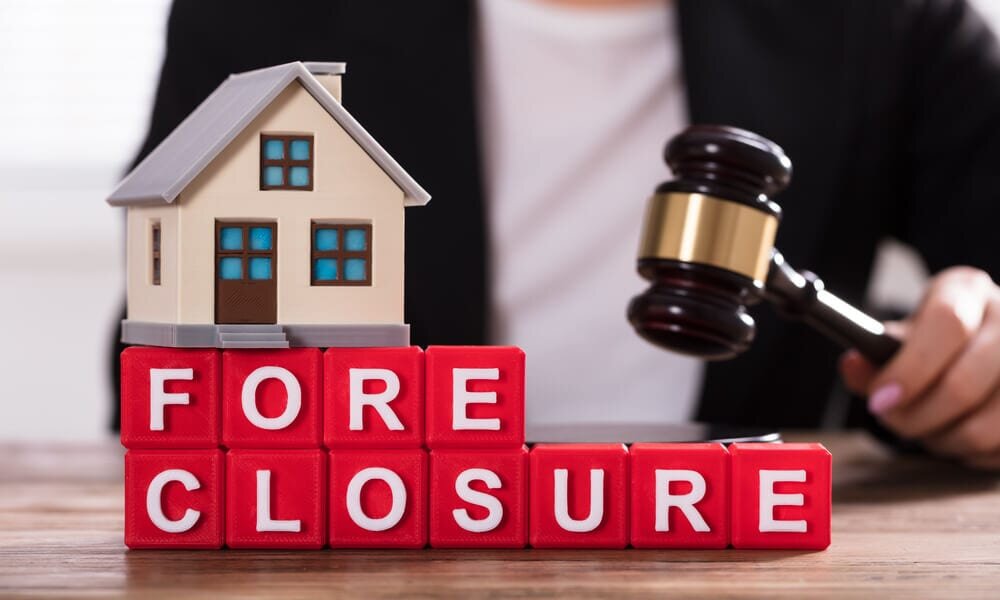
Losing a home to foreclosure is not just a financial setback — it’s an emotional shock that can leave you feeling powerless and desperate for a second chance. After the foreclosure auction happens and ownership changes hands, many former homeowners in Chico find themselves asking the same painful question:
“Is there any way to get my house back after foreclosure?”
The short answer is: usually no — but sometimes, under very specific circumstances, there may still be options.
In California, foreclosure laws are strict, and once the trustee sale is completed, ownership typically transfers permanently. However, there are rare legal exceptions, situations where you may be able to repurchase the property, and financial recovery options that many people don’t even know exist.
This guide will walk you through everything in detail so you clearly understand:
• What legally happens after foreclosure in Chico
• Whether California allows you to reclaim a foreclosed home
• The rare cases where a foreclosure can be reversed
• How buying the home back from a bank or investor might work
• Your rights if you are still living in the house
• How to recover financially and plan your next move
Let’s break it down step by step.
What Happens Immediately After a Foreclosure Sale in Chico
Most homes in Chico go through a non-judicial foreclosure, which means the lender does not need to file a lawsuit. Instead, a trustee handles the process and sells the property at a public auction known as a trustee sale.
Once that sale happens, several major legal changes occur instantly.
First, ownership transfers immediately to whoever won the auction. This could be a third-party investor or the bank itself if no one else bid high enough. Either way, you are no longer the legal owner the moment the trustee sale is finalized.
Second, your mortgage debt is addressed through the sale proceeds. In many California cases involving purchase loans, lenders cannot pursue you for additional money afterward — though exceptions can exist depending on loan type and refinance history.
Third, while ownership changes right away, possession of the home does not change instantly. If you are still living in the property, the new owner must go through the formal eviction process, which takes time.
At this point, the foreclosure is considered legally complete — and this is when people begin searching for ways to undo it.
Does California Have a Right of Redemption After Foreclosure?
This is one of the most misunderstood parts of foreclosure law.
In some states, homeowners get a “right of redemption” period after foreclosure. During this window, they can pay the full sale amount plus fees and reclaim the property.
However, California generally does NOT offer a redemption period after a non-judicial foreclosure, which is the type used for most Chico homes.
That means once the trustee sale is completed:
• The sale is usually final
• There is no automatic period to pay and take the home back
• Ownership rights have legally transferred
A redemption period may exist only in judicial foreclosures, which are rare for standard residential mortgages in California.
So while the idea of redemption sounds hopeful, for most homeowners in Chico, it unfortunately does not apply.
Rare Situations Where You Might Get the House Back
Although most foreclosure sales are final, there are limited legal circumstances where the outcome can change.
1. The Foreclosure Process Was Legally Improper
If the lender or trustee violated foreclosure laws, you may be able to challenge the sale in court.
Examples of serious violations include:
• Required legal notices were never sent
• The Notice of Default or Trustee Sale was recorded incorrectly
• The lender foreclosed while you were in an active loan modification review
• State or federal homeowner protection laws were ignored
If a court determines the foreclosure was unlawful, it may void the sale, meaning ownership could revert. This is rare and requires legal action quickly, but it is one of the only true ways foreclosure can be reversed.
2. The Bank Owns the Property and Hasn’t Sold It Yet
If no one purchased the home at auction, the lender becomes the owner. These properties are called REO (Real Estate Owned) homes.
In this case, you might be able to buy the property back from the bank just like any other buyer. This requires:
• Qualifying for a new mortgage or having cash
• Negotiating a purchase price
• Acting before the bank sells it to someone else
While this does not erase the foreclosure from your credit history, it may allow you to regain ownership.
3. Bankruptcy Timing Complications
If bankruptcy was filed before the foreclosure sale and legal procedures were violated, the sale might be challenged. However, timing is extremely important, and once the sale is completed correctly, bankruptcy usually cannot undo it.
What If an Investor Bought the Property at Auction?
If a third-party investor purchased the property at auction, they are now the legal owner. Investors usually buy foreclosed homes to:
• Renovate and resell
• Rent out for income
• Hold as long-term investments
To get the home back, you would have to buy it from them, often at a higher price than the foreclosure balance. While possible, this is usually expensive and difficult.
Can You Stay in the House After Foreclosure?
Even though ownership changes at auction, you may still remain in the home temporarily. The new owner must follow California eviction procedures, which take time.
In many cases, banks or investors offer “cash for keys” agreements. This means they pay you money to leave the home peacefully and in good condition. While this doesn’t return ownership, it can help you financially during the transition.
What Happens to Any Equity You Had?
If the foreclosure sale price was higher than what you owed on the mortgage and foreclosure costs, the leftover money is called surplus funds.
Former homeowners in California may be able to claim this money. Many people never realize these funds exist, but they can provide important financial support after losing a home.
The Emotional Side of Wanting Your House Back
Wanting your house back is often about more than money. Homes represent memories, security, and identity. Losing one can feel like losing a part of yourself.
Understanding the legal reality is important, but focusing on rebuilding your future may ultimately bring more stability and peace.
How to Rebuild After Foreclosure
Even if reclaiming the home is not possible, foreclosure does not mean you can never own again.
Steps many former homeowners take include:
• Checking and rebuilding credit
• Saving money and reducing debt
• Renting temporarily while stabilizing finances
• Exploring first-time buyer programs again after waiting periods
Many people become homeowners again within a few years.
Frequently Asked Questions
Can foreclosure be reversed in Chico?
Only in rare cases involving legal violations.
Can I buy my house back from the bank?
Yes, if the bank still owns it and you qualify.
Do I lose all rights after auction?
Ownership changes, but eviction still requires legal steps.
Will foreclosure ruin my credit forever?
No. It remains for years but impact decreases over time.
Final Thoughts
Losing a home to foreclosure in Chico can feel final, but it doesn’t mean your financial future is over. While getting the exact same house back after foreclosure is difficult in most cases, understanding your legal position and remaining options gives you back something just as important — control over your next steps.
In rare situations, a foreclosure sale can be challenged if laws were violated. In other cases, you may be able to repurchase the property if the bank still owns it. And even when reclaiming the home is no longer possible, you may still be entitled to surplus funds or have opportunities to rebuild your credit and become a homeowner again down the road.
The most important thing now is to focus on smart recovery instead of feeling stuck in what already happened. Every situation is different, and the sooner you understand your options, the sooner you can begin moving forward with confidence.
If you have questions about your situation or need guidance on what steps to take next, Butte Home Buyers is here to help. Visit our Contact Us page to reach out and start a no-obligation conversation about your options and your path forward.
- Selling a Home As-Is in Chico, CA During Divorce: What You Need to Know
- How to Sell a House with Tenants in Chico, CA
- How to Sell a Distressed Property in Chico CA
- Sell Your House Fast During Foreclosure in Chico CA
- How to Sell an Inherited House in Oroville CA Without Stress