
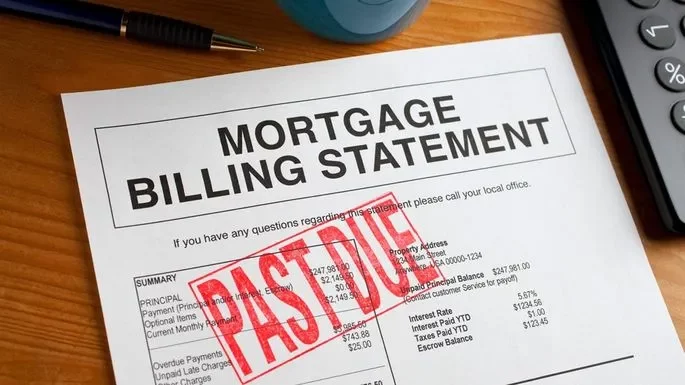
Falling behind on your mortgage can feel like your world is closing in. The letters start showing up. The phone calls increase. The stress builds every single day. If you’re a homeowner in Oroville facing the possibility of foreclosure, it may seem like you’re running out of time and options — but that’s not true.
Foreclosure is a process, not a single event. And during that process, there are multiple opportunities to slow it down, stop it, or exit the situation in a way that protects your finances and your future. The key is understanding what’s happening and taking action as early as possible.
This guide walks you through the real options Oroville homeowners use to avoid foreclosure and regain control.
Why Homeowners in Oroville Fall Behind on Payments
Very few homeowners plan to miss mortgage payments. Most people who face foreclosure in Oroville get there because of unexpected life events that change their financial situation quickly.
Job loss is one of the biggest causes. Even a temporary layoff or reduction in work hours can throw off a carefully balanced household budget. When income drops but mortgage payments stay the same, it doesn’t take long to fall behind.
Medical issues are another major factor. A serious illness or injury can lead to large medical bills while also limiting your ability to work. Suddenly, you’re juggling prescriptions, doctor visits, and hospital costs — all while trying to keep up with the mortgage.
Divorce or separation can also create financial strain. When one household becomes two, the same income now has to cover double the expenses. Many people discover too late that they can no longer afford the home on a single income.
Inheritances can also cause trouble. Some homeowners inherit a property in Oroville with an existing mortgage, back taxes, or needed repairs. What seems like a blessing at first can quickly become a burden if the numbers don’t work.
No matter the cause, the result is the same: missed payments lead to lender action. But understanding that this situation is common — and solvable — is the first step toward finding a way out.
Understanding the Foreclosure Process in California
California primarily uses a non-judicial foreclosure process, which means the lender doesn’t have to sue you in court to foreclose. Instead, they follow a legal timeline that can move faster than many homeowners realize.
After several missed payments, the lender records a Notice of Default (NOD) with the county. This is a formal public notice that your loan is seriously behind. It’s not the end — but it is a serious warning sign.
From the Notice of Default, you usually have around 90 days to catch up on missed payments, fees, and penalties. During this time, you still own the home and can pursue options like loan modification, repayment plans, or selling.
If the loan isn’t brought current, the lender can then issue a Notice of Trustee Sale, which sets an auction date. This notice is typically recorded at least 21 days before the sale. At the auction, the property can be sold to pay off the debt.
The important takeaway is this: you usually have several months between your first missed payment and the foreclosure sale. That time is valuable. The earlier you act, the more options you keep open.
Step One: Talk to Your Lender Early
It’s natural to want to avoid calls from your lender when you’re behind on payments. But avoiding communication often makes things worse.
Lenders don’t actually want to foreclose if they can avoid it. Foreclosure is expensive and time-consuming for them too. That’s why many lenders have programs designed to help homeowners who are experiencing financial hardship.
By contacting your lender early, you may be able to arrange a repayment plan that spreads missed payments over several months. If your hardship is temporary — such as recovering from job loss — this can be enough to get back on track.
Another option is forbearance, where the lender temporarily reduces or pauses payments to give you breathing room. At the end of the forbearance period, you’ll work out how to handle the missed amount.
You may also qualify for a loan modification, which permanently changes the loan terms. This could mean a lower interest rate, a longer loan term, or adding missed payments to the end of the loan. The goal is to make your monthly payment affordable long-term.
The key is documentation. Lenders will ask for proof of income, expenses, and hardship. Providing complete and honest information improves your chances of approval.
Government and Housing Counseling Resources
If talking to your lender feels overwhelming, you don’t have to handle it alone. HUD-approved housing counselors are trained professionals who help homeowners facing foreclosure — often at little or no cost.
A housing counselor can review your financial situation in detail and explain which options make the most sense. They can help you prepare paperwork for loan modifications and repayment plans and ensure you understand what the lender is offering.
Counselors also help protect you from scams. Unfortunately, homeowners in distress are often targeted by companies promising to “stop foreclosure instantly” for large upfront fees. A legitimate housing counselor can help you avoid these traps and focus on real solutions.
Having an experienced advocate in your corner can reduce stress and improve your chances of finding a workable outcome.
Refinancing or Getting a New Loan
Refinancing replaces your current mortgage with a new one, ideally with better terms. If you still have good credit and enough equity, refinancing could lower your monthly payment or allow you to include missed payments in a new loan balance.
However, refinancing becomes harder once payments are late and credit scores drop. Lenders typically require proof of steady income and a strong financial profile. If you’re already deep in the foreclosure timeline, time may also be too short.
Still, it’s worth exploring early in the process. Speaking with a mortgage broker or lender can clarify whether this path is realistic in your situation.
Selling Your Home Before Foreclosure
Selling your home before foreclosure is often one of the most effective ways to protect your credit and regain financial control.
If you have equity, selling allows you to pay off the mortgage and possibly walk away with money to start fresh. Even if equity is limited, avoiding a foreclosure on your record can be a huge long-term benefit.
Listing with a real estate agent can work if the home is in good condition and there’s enough time. But traditional sales can take months and may require repairs, inspections, and buyer financing approval.
When time is short or the home needs work, many Oroville homeowners choose to sell to a cash buyer. Cash buyers purchase homes as-is, often close quickly, and don’t require repairs or lengthy approvals. This can allow you to pay off the lender before the foreclosure auction happens.
What Is a Short Sale?
A short sale occurs when the home is worth less than the amount owed on the mortgage, and the lender agrees to accept a reduced payoff to allow the sale.
Short sales require lender approval and can take time, but they are generally less damaging to credit than a completed foreclosure. They also give homeowners more control over the timeline and outcome.
This option can be especially helpful if the local market value in Oroville has dropped or if the property needs significant repairs.
Why Waiting Too Long Is Risky
Doing nothing is often the most damaging choice. As time passes, late fees, penalties, and legal costs are added to your loan. Your credit score drops further with each missed payment.
The closer you get to the foreclosure sale date, the fewer options remain. Some solutions, like loan modifications or traditional sales, may no longer be possible once deadlines pass.
Taking action early — even if you’re unsure which path you’ll choose — keeps more doors open and gives you more control over the outcome.
Emotional Stress Is Part of the Picture
Facing foreclosure isn’t just a financial issue. It’s deeply emotional. Many homeowners feel embarrassment, fear, and anxiety. It can affect sleep, relationships, and mental health.
Remember that financial hardship happens to many people, and seeking help is a responsible step. You are not alone, and there are professionals and programs designed to help you through this difficult time.
Protecting your peace of mind and future stability is just as important as protecting your credit score.
Final Thoughts
Facing foreclosure in Oroville can feel overwhelming, but you still have more control than you might think. Whether it’s working out a solution with your lender, getting help from a housing counselor, or selling the property before the foreclosure sale, there are real options that can help you avoid the long-term financial damage of foreclosure.
The key is taking action early and choosing the path that reduces stress, protects your credit as much as possible, and gives you a clear way forward. Waiting too long can limit your choices, but moving now can open the door to relief and a fresh financial start.
If keeping the home no longer makes sense and you need a fast, straightforward solution, Butte Home Buyers is here to help. We work with Oroville homeowners who are behind on payments and need to sell quickly to avoid foreclosure. You don’t need to make repairs or deal with long listing timelines — we buy houses in any condition and on your schedule.
Ready to see what your options look like? Reach out to Butte Home Buyers today through our Contact Us page and take the first step toward stopping foreclosure and moving forward with confidence.
Give us a call anytime at (530) 230-3560 or
fill out the form on this website today! >>

- Who are the cash house buyers in Butte County CALIFORNIA?
- How Do I Sell My House Without An Agent in Butte County?
- Cash for houses in Butte County – how to sell your CALIFORNIA house for fast cash
- Selling My House for Cash in Marysville
- Who can buy my home for cash in Butte County?