
Selling a home doesn’t always have to mean handing the keys over at closing and walking away with one lump-sum payment. In Butte County, more property owners are exploring owner financing as an alternative way to sell — especially when traditional buyers struggle to qualify for bank loans or when sellers want monthly income instead of a single payout.
Owner financing can open your property to a larger pool of buyers, potentially allow you to sell for a higher price, and create steady cash flow. But it also means you’re stepping into the role of a lender, which brings legal responsibilities and financial risk.
This detailed step-by-step guide explains how homeowners in Butte County structure owner-financed deals the right way — protecting themselves while creating a fair opportunity for buyers.
What Is Owner Financing?
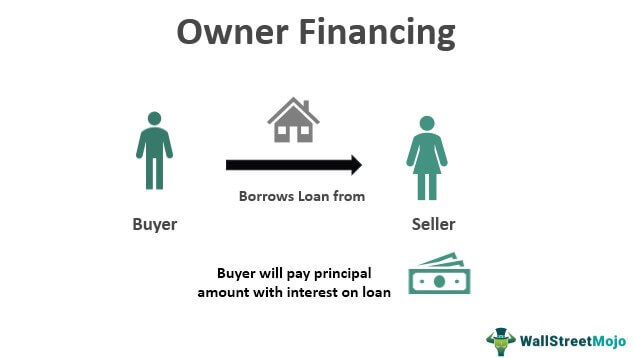
Owner financing — also known as seller financing — is a method of selling real estate where the seller acts as the bank. Instead of the buyer obtaining a traditional mortgage from a lender, the buyer makes payments directly to you over time.
You and the buyer agree on the full purchase terms, including the price, down payment, interest rate, and repayment schedule. The buyer takes possession of the home, and you receive monthly payments, typically including both principal and interest.
In Butte County, this arrangement is often attractive to buyers who are self-employed, rebuilding credit, or purchasing unique or rural properties that don’t fit traditional lending guidelines. From the seller’s perspective, it can mean a larger pool of potential buyers and the chance to earn interest over time rather than receiving a one-time sale amount.
However, this isn’t just a handshake agreement. Owner financing is a structured, legally documented transaction that must follow both state and federal lending rules.
Step 1: Decide If Owner Financing Is Right for You
Before offering owner financing, you need to think about your own financial needs and comfort level.
If you need all your money immediately — for example, to pay off debts, buy another home, or split proceeds among family members — owner financing may not be practical. Payments come in over years, not days.
You should also consider whether you’re comfortable acting like a lender. This means tracking payments, keeping records, and possibly dealing with late payments or default. While you can hire professionals to help manage this, the responsibility ultimately rests with you.
Another key question is risk tolerance. If the buyer stops paying, you may need to go through foreclosure proceedings to reclaim the property. That can take time and legal costs.
Owner financing can be rewarding for sellers who want long-term income and are comfortable with delayed payouts. But if you prefer simplicity and certainty, a traditional or cash sale may be a better fit.
Step 2: Understand California Legal Requirements
Owner financing isn’t just a private agreement — it’s regulated. Both California state law and federal rules apply, especially when the buyer will live in the home.
Under federal regulations like the Dodd-Frank Act, most private sellers can only carry back a limited number of owner-financed loans per year unless they are licensed mortgage originators. You must also make a good-faith effort to verify that the buyer has the ability to repay the loan.
That means reviewing income documentation, employment history, and other financial information — similar to what a bank would do. Skipping this step can expose you to legal risk later.
Because of these rules, working with a real estate attorney and an experienced escrow or title company is essential. They will help structure the transaction so it complies with the law and protects your rights as a seller-lender.
Step 3: Determine the Sales Price and Down Payment
Pricing still matters, even when offering flexible terms.
In some cases, you may be able to ask a slightly higher price than similar homes because you’re providing financing. Buyers who can’t get traditional loans often value this opportunity and may be willing to pay a premium.
However, the price still needs to make sense for the market in Butte County. If it’s too high, the buyer may struggle to refinance later or may default because the payments become too heavy.
The down payment is one of your strongest protections. Many owner-financed sales require 10% to 20% down. A larger down payment reduces your financial exposure, shows the buyer is serious, and gives you immediate funds.
Low or zero down payments may attract buyers, but they dramatically increase your risk if the buyer walks away or stops paying.
Step 4: Set the Loan Terms
Loan terms define how the deal works financially, and they must be clear from the beginning.
The interest rate is typically higher than bank rates because you are taking on more risk. It should be competitive but also compensate you for acting as the lender.
The loan term is often shorter than a traditional mortgage. Many seller-financed deals in Butte County use a 5- to 10-year term with a balloon payment. This means the buyer makes monthly payments for several years and then refinances or pays off the remaining balance in a lump sum.
The monthly payment must be affordable for the buyer while still providing you with reasonable income. If payments are too high, the chance of default increases.
The agreement should also spell out late fees, grace periods, and what happens in case of default. Clear terms prevent misunderstandings later.
Step 5: Use the Right Legal Structure
In California, owner-financed deals are commonly structured using two key documents.
The Promissory Note outlines the buyer’s promise to repay the loan. It includes the interest rate, payment schedule, and consequences of non-payment.
The Deed of Trust secures the note against the property. If the buyer defaults, this document allows you to initiate a non-judicial foreclosure process, which is generally faster and more efficient than going through court.
Using proper legal documentation ensures your rights are protected and gives you a clear path to recover the property if necessary.
Step 6: Open Escrow and Close Properly
Even though you are providing financing, you should still close the transaction through a professional escrow and title company.
Escrow will handle the preparation and signing of documents, record the deed and deed of trust with the county, and ensure the title transfers correctly. This prevents future ownership disputes and confirms that all paperwork is legally recorded.
Skipping escrow to save money can lead to serious problems later, including unclear title or unenforceable agreements.
Step 7: Use a Loan Servicing Company
Collecting payments yourself may seem simple at first, but over time it can become complicated and emotionally awkward.
A loan servicing company acts as a neutral third party. They collect payments, track balances, provide statements, and handle tax reporting. If payments are late, they send formal notices, which helps maintain professionalism.
This not only reduces your workload but also creates a clear paper trail in case of disputes or default.
Step 8: Understand the Risks
Owner financing is not risk-free. The biggest risk is buyer default. If the buyer stops paying, you must begin foreclosure proceedings to regain the property, which can take time and legal expense.
There is also property condition risk. If the buyer neglects maintenance, you may get the property back in worse shape.
Market risk matters too. Property values can rise or fall during the loan term. While you hold the note, your money is tied up in the property rather than available for other investments.
Careful screening, a strong down payment, and proper legal protection are the best ways to reduce these risks.
Step 9: Know When to Consider Alternatives
Owner financing can be powerful, but it isn’t the right fit for every seller. If you don’t want long-term involvement, paperwork, or potential legal issues, selling to a cash buyer or through a traditional sale may be simpler.
In Butte County, some sellers use owner financing to attract buyers, while others prefer the speed and certainty of a cash transaction. Comparing both options helps you choose the path that aligns with your financial goals and stress tolerance.
Final Thoughts
Selling your house through owner financing in Butte County can be a powerful strategy when done correctly. It can help you attract more buyers, earn steady monthly income, and potentially achieve a higher overall return on your property. But it also means taking on the role of a lender, which comes with legal responsibilities, paperwork, and some level of risk.
The key to success is doing everything the right way — working with professionals, screening buyers carefully, using proper legal documents, and setting clear loan terms that protect you. When structured properly, owner financing can create a smooth, mutually beneficial arrangement for both you and the buyer.
If you like the idea of flexible selling options but don’t want to handle the long-term management or legal complexity on your own, Butte Home Buyers can help. We work with Butte County homeowners to explore solutions that fit their goals, whether that’s a straightforward cash sale or other creative options.
Ready to talk through your situation? Reach out to Butte Home Buyers today through our Contact Us page and find out the best way to move forward with confidence.
- Selling a Home As-Is in Chico, CA During Divorce: What You Need to KnowSelling a home during a divorce is often one of the most significant and emotionally taxing decisions both parties will face. The emotional weight is compounded by the legal complexities and the physical act of parting with a shared home. … Continued
- How to Sell a House with Tenants in Chico, CASelling a house is already a major decision. Selling a house with tenants still living inside? That’s a completely different challenge. If you’re a landlord in Chico, CA, you’re likely dealing with more than just a property—you’re managing people, legal … Continued
- How to Sell a Distressed Property in Chico CASelling a distressed property in Chico, CA can feel overwhelming—especially when you’re already dealing with financial pressure, property damage, or urgent timelines. Whether your home needs major repairs, is vacant, facing foreclosure, or simply hasn’t been maintained for years, the … Continued
- Sell Your House Fast During Foreclosure in Chico CAStop Foreclosure, Protect Your Credit, and Sell Your Home Before It’s Too Late Facing foreclosure in Chico, CA can feel like everything is happening too fast. Missed payments turn into lender notices, and before you know it, your home is … Continued
- How to Sell an Inherited House in Oroville CA Without StressHow to Sell an Inherited House in Oroville, CA Without Stress Inheriting a property in Oroville, CA can feel overwhelming. While it may represent financial value, it often comes with emotional pressure, legal responsibilities, maintenance costs, and difficult decisions. Many … Continued