
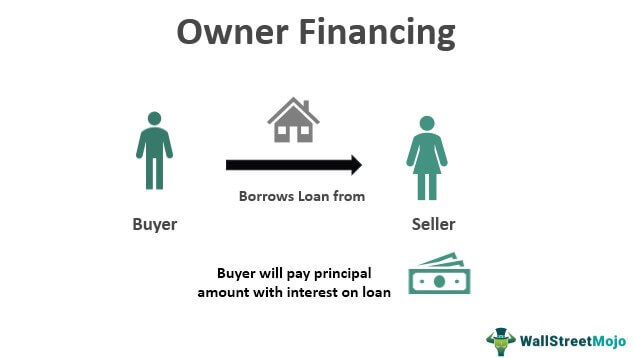
Owner financing (also called seller financing) can sound like the perfect win-win: you sell your house, the buyer can’t qualify for a bank loan, and you collect monthly payments like a landlord—without tenants. In a market like Redding, California, where you’ll see everything from starter homes and rentals to rural properties and unique houses that don’t always fit “cookie-cutter” lender rules, owner financing can absolutely be a smart strategy for the right seller, with the right property, and the right buyer.
But here’s the honest truth: owner financing is not automatically a “good idea.” For many sellers, it’s a high-reward, high-responsibility deal structure that introduces risks traditional selling avoids—especially in California, where disclosures, paperwork, foreclosure rules, and consumer protections can get complicated fast.
This guide breaks down owner financing in plain English—what it is, why it’s attractive in Redding, when it benefits the seller, when it’s a headache, and how to structure it so you protect yourself.
What Owner Financing Actually Means
With owner financing, you become the lender. Instead of the buyer getting a mortgage from a bank, the buyer makes payments to you.
Most owner-financed deals include:
- A purchase price (often close to market value, sometimes higher because of the flexibility)
- A down payment
- An interest rate
- A monthly payment
- A repayment term (for example, 5 years, 10 years, or 30 years)
- Often a balloon payment (a large payoff due at a set time)
In many cases, the buyer plans to refinance later once their credit, income, or documentation improves. Your goal as the seller is to:
- sell the property, and
- get paid reliably, with solid protection if the buyer defaults.
Why Owner Financing Comes Up So Often in Redding
Redding has a mix of properties and buyers that can make owner financing feel especially appealing:
1) Not every property fits lender boxes.
Rural homes, homes with acreage, homes needing repairs, unconventional layouts, or properties with certain condition issues can be harder to finance with traditional lenders.
2) Some buyers are “good earners” but don’t qualify on paper.
Self-employed buyers, newer business owners, contractors, and people with nontraditional income sometimes struggle with standard underwriting even if they can afford payments.
3) Seller flexibility can create demand.
When you offer financing, you may attract buyers who can’t buy otherwise—meaning your home can feel “more sellable,” even in slower seasons.
4) Investors sometimes want creative terms.
Some buyers are investors who want terms that help their cash flow. This can be good for you—or a red flag—depending on the structure and their track record.
The Big Question: Is Owner Financing a Good Idea for the Seller?
It can be, if you want at least one of these outcomes:
A) You Want Monthly Income, Not a Lump Sum
Owner financing can function like an income-producing asset. If you’re retiring, downsizing, or prefer predictable payments, it can feel like building your own “private pension.”
B) You Want a Higher Sale Price or Better Terms
Because you’re offering something valuable (financing), you can often negotiate:
- a higher price,
- a larger down payment,
- a stronger “as-is” sale structure,
- or buyer-paid closing costs.
C) You Want to Sell a Property That’s Hard to Finance Traditionally
If your house needs repairs, has unique features, or doesn’t qualify for standard lending easily, owner financing can widen your buyer pool.
D) You Want to Reduce Taxes in the Short Term
In many cases, owner financing can spread taxable gains over time through an installment sale structure. This is not guaranteed, and it depends on your situation—so it’s something to discuss with a CPA—but it can be a real advantage for some sellers.
But… owner financing is usually not a good idea if you:
- need all cash now to buy another home,
- cannot handle the risk of late payments,
- don’t want to manage paperwork and enforcement,
- are already stressed (divorce, probate, foreclosure pressure, job loss),
- or you can’t afford a long legal process if the buyer defaults.
Owner Financing Pros for Sellers
1) You Can Sell Faster
When you offer financing, you’re not limited to bank-approved buyers. You can attract buyers who are ready now but can’t get a loan quickly.
In a practical sense, your listing becomes more flexible:
- fewer “financing fell through” deals,
- fewer appraisal issues tied to a lender,
- and sometimes fewer repairs demanded by loan requirements.
2) You May Get a Higher Price
Financing is valuable. Some sellers negotiate a premium because the buyer is receiving access they couldn’t get elsewhere.
3) You Earn Interest
Instead of receiving your money one time, you’re receiving:
- principal paydown, plus
- interest.
Over several years, that interest can be significant.
4) Potentially Fewer Repair Negotiations
Many owner-financed sales are structured “as-is” (though you still must disclose known issues). Buyers who can’t qualify traditionally often accept condition more readily—especially if it’s the only path to ownership.
5) You Can Customize the Deal
You can tailor terms that fit your goals:
- want higher monthly income? adjust rate/term,
- want more safety? require a bigger down payment,
- want less time involved? use a short term with balloon and strict requirements.
Owner Financing Cons for Sellers
1) Default Risk Is Real
This is the biggest issue. If the buyer stops paying, you don’t just “lose a sale.” You face:
- legal notices,
- potential eviction/foreclosure timelines,
- property damage risk,
- and months of delay before you regain control.
The scary part is not just missing payments—it’s the time, cost, and stress of enforcement.
2) You’re Still Tied to the Property
Even though the buyer lives there, you’re financially connected. If something goes wrong, you’re back in the problem.
Some sellers feel emotional relief after a clean sale. Owner financing can feel like you never fully moved on.
3) You Could Inherit Legal Compliance Headaches
California rules can be strict. You need proper documents, proper disclosures, and a correct structure. A handshake deal is asking for trouble.
4) Your Money Is Locked Up
If you need cash for:
- another purchase,
- emergency savings,
- debt payoff,
- or family support,
owner financing might limit your flexibility.
Yes, you can sometimes sell the note (the stream of payments) to an investor, but they usually buy at a discount—especially if the terms or buyer profile are risky.
5) Insurance, Taxes, and Title Must Be Handled Cleanly
The deal must clearly state:
- who pays property taxes,
- who insures the home,
- what happens if they don’t,
- how escrow is handled,
- and how title is recorded.
If these details are sloppy, sellers can end up paying for problems they thought they were done with.
The Most Common Owner Financing Structures
1) Promissory Note + Deed of Trust
This often mirrors a traditional mortgage setup:
- the buyer signs a promissory note (promise to pay),
- and you record a deed of trust securing the debt.
This structure is generally considered one of the more standard and enforceable approaches when done correctly.
2) Land Contract
The seller keeps legal title until the buyer finishes paying. These can be risky if not structured properly and may trigger additional legal concerns depending on enforcement, disclosures, and buyer protections.
3) Lease Option / Rent-to-Own
This is not exactly owner financing, but sellers consider it as an alternative. The buyer rents with an option to purchase later. It can be useful, but it can also create confusion, disputes, and gray areas if the paperwork is weak.
Seller-safety note: The “best” structure depends on your goals, your timeline, and your risk tolerance. In California, you really want a real estate attorney or a very experienced escrow/title professional who has handled these transactions.
Key Terms That Decide Whether Owner Financing Is “Good” for You
Owner financing isn’t one decision—it’s a bundle of decisions. The safety of the deal depends on the terms.
Down Payment
A larger down payment does two important things:
- It reduces your financial exposure, and
- It increases the buyer’s commitment (they have more to lose).
Sellers often get in trouble by accepting a down payment that’s too small because they’re excited to “finally have a buyer.”
A strong down payment can also cover:
- potential legal costs,
- missed payments,
- and property condition risk.
Interest Rate
Higher interest rates can increase your return, but if the payment becomes too high, default risk rises.
The seller’s goal is not “maximum interest.” The seller’s goal is a payment the buyer can realistically sustain.
Amortization Term vs. Balloon Term
Many owner-financed deals use:
- a 30-year amortization schedule (affordable payment),
- with a balloon due in 3–7 years (forcing refinance).
This can be seller-friendly because it creates an exit point—assuming the buyer can refinance later. If they can’t, you could be negotiating extensions or facing default.
Who Pays Taxes and Insurance?
Most deals require the buyer to pay, but the seller should protect themselves by:
- requiring proof of insurance,
- requiring escrow-like payment handling (sometimes through a loan servicing company),
- and specifying remedies if buyer fails to pay.
Late Fees, Grace Periods, and Default Clauses
If these aren’t written clearly, sellers get stuck arguing over “what the agreement meant” when things go wrong.
The Redding Seller’s Reality Check: Who Should Consider Owner Financing?
Owner financing can be a good idea if you’re in one of these situations:
1) You Own the House Free and Clear
It’s much easier if you don’t have an existing mortgage. If you do have a mortgage, owner financing can still happen in some cases, but it can raise serious complications—especially with due-on-sale clauses.
2) You Don’t Need All the Cash Immediately
If you need a lump sum to:
- pay off debt,
- buy your next home,
- or split assets in divorce,
owner financing can create pressure later.
3) You’re Comfortable Treating This Like a Business Transaction
Owner financing works best when the seller treats it like:
- underwriting a borrower,
- setting strict terms,
- and enforcing boundaries.
If you know you’ll feel guilty collecting late payments or enforcing default terms, it’s risky.
4) Your Property Appeals to Nontraditional Buyers
Some homes are harder for banks but still valuable. That’s where owner financing can shine.
When Owner Financing Is Usually a Bad Idea for Sellers
1) You’re Selling Because You’re Overwhelmed
If you’re selling due to:
- inherited property stress,
- major repairs,
- code issues,
- liens,
- divorce,
- foreclosure pressure,
- or tenant problems,
owner financing can keep you stuck in the situation longer.
Many sellers in these circumstances benefit more from a clean sale (cash or conventional) instead of a long payment relationship.
2) You Can’t Afford a Default Scenario
Ask yourself: if the buyer stops paying for 6 months, can you handle:
- legal fees,
- time delays,
- and property risk?
If the answer is no, owner financing may not be worth it.
3) You’re Not Willing to Properly Screen the Buyer
This is where sellers get burned. Owner financing is not “no screening.” It’s actually more responsibility because you are the bank.
How to Screen a Buyer
If you’re going to finance the sale, you should gather information that helps you predict whether they’ll pay.
Common screening items include:
- proof of income (pay stubs or bank statements),
- tax returns (especially for self-employed buyers),
- credit report (or at least a credit summary),
- job history,
- debt obligations,
- down payment source,
- and a clear plan for refinancing if there’s a balloon.
You’re not trying to be invasive—you’re trying to avoid a future nightmare.
A buyer who refuses basic documentation is often telling you something.
The Seller’s Biggest Protection: Use a Loan Servicing Company
One of the smartest moves for sellers is using a third-party loan servicer to:
- collect payments,
- track balances,
- handle escrow for taxes/insurance (if set up),
- issue year-end statements,
- document late payments properly.
This keeps your relationship with the buyer cleaner and more professional, and it creates a paper trail if enforcement becomes necessary.
“As-Is” and Disclosures in California: Don’t Get Casual
Even if you sell “as-is,” you still must disclose known material facts. Many seller problems come from believing owner financing is “informal” or “off-market,” so rules don’t matter.
They do.
Sellers should expect:
- normal disclosures,
- proper contracts,
- correct recording of documents,
- and professional closing procedures.
This is not the place to save money by skipping paperwork.
What Happens If the Buyer Stops Paying?
This is the part sellers often don’t think through clearly before agreeing.
If the buyer defaults, you generally need to follow the remedy route allowed by the structure:
- notice requirements,
- cure periods,
- and possible foreclosure-type enforcement if it’s secured.
This can take time, and during that time:
- you may not be receiving payments,
- the property could be neglected,
- and you’re spending energy and money to fix it.
This is why your down payment, documentation, and servicing matter so much.
Owner Financing vs. Selling for Cash in Redding
A lot of sellers consider owner financing because they’re trying to solve a specific problem: they want the house sold without the hassle of listing, repairs, appraisal issues, and drawn-out timelines. Owner financing can solve some of those—but introduces others.
Here’s a simple comparison:
| Factor | Owner Financing | Cash Sale |
|---|---|---|
| Speed | Can be fast if buyer is ready | Usually fast |
| Certainty | Depends on buyer paying over time | High certainty once closed |
| Money | Paid over time + interest | Paid upfront (lump sum) |
| Risk | Default + legal enforcement risk | Much lower after closing |
| Responsibility | Ongoing tracking and compliance | Minimal after closing |
| Best for | Sellers who want income + can manage risk | Sellers who want a clean exit |
If your main goal is certainty and relief, cash is often simpler. If your goal is income and higher total return, owner financing can be attractive—if the deal is strong.
A Seller-Friendly Checklist: How to Make Owner Financing Safer
If you’re leaning toward owner financing, these are the “seller-friendly” guardrails that reduce risk:
1) Strong down payment
The bigger the down payment, the more protected you are.
2) Use professional documents
Promissory note, deed of trust, proper disclosures, and correct recording.
3) Verify buyer ability to pay
Income, credit, and stability matter.
4) Use a loan servicer
Avoid “cash app” payments and missing records.
5) Require insurance proof
And specify what happens if insurance lapses.
6) Plan the exit
If there’s a balloon, confirm the buyer’s likely ability to refinance.
7) Don’t skip title and escrow
Clean title and professional closing reduce future disputes.
Seller Scenarios in Redding: Quick Examples
Scenario 1: Owner Financing Is a Great Fit
You own a rental free and clear, you’re tired of tenants, but you want income without managing a property. A buyer has a solid down payment and stable income but is self-employed and can’t qualify for a bank loan today. The house is in decent shape, and you close through escrow with strong documents and servicing.
This can be a win.
Scenario 2: Owner Financing Becomes a Stress Trap
You inherited a home that needs repairs, you live out of the area, and you mainly want it gone. A buyer offers a small down payment and wants flexible “we’ll figure it out” terms. You skip formal servicing. Payments start late, then stop, and now you’re chasing someone while still tied to a property you never wanted.
This is how sellers get stuck.
Frequently Asked Questions
Is owner financing legal in California?
Yes, it can be legal, but it must be structured properly with correct documents, disclosures, and compliance. It’s smart to involve professionals.
Can I do owner financing if I still have a mortgage?
Sometimes, but it can trigger lender rules (like due-on-sale clauses). This is a situation where you should get professional advice before agreeing to anything.
What’s a good down payment for seller financing?
The “right” number depends on your risk tolerance, property price, and buyer strength. In general, bigger down payments reduce default risk and protect sellers.
Should I accept a balloon payment deal?
Balloon structures can be seller-friendly if the buyer can realistically refinance. If not, you may face renegotiation or default later.
Is owner financing better than listing with an agent?
It depends. Owner financing can widen buyer demand and reduce lender delays, but it adds ongoing risk. Listing can bring a higher price with a clean exit—if the home qualifies and you can tolerate timing, showings, and repairs.
Final Verdict: Is Owner Financing a Good Idea for Sellers in Redding?
Owner financing can absolutely be a powerful strategy for sellers in Redding—but only when it aligns with your financial goals, risk tolerance, and timeline. If you want steady monthly income, are comfortable acting as the lender, and structure the deal properly with strong documentation and buyer screening, owner financing can create long-term returns and flexibility.
However, if your goal is certainty, speed, and a clean break from the property—especially if you’re dealing with repairs, probate, divorce, foreclosure pressure, or simply want to move on—then a traditional sale or direct cash offer may be the smarter and less stressful option. The key is understanding that owner financing keeps you financially connected to the property. That connection can be profitable, but it also carries responsibility and risk.
Before deciding, take a close look at your priorities. Do you want monthly payments and long-term involvement? Or do you want immediate liquidity and peace of mind?
If you’re unsure which path makes the most sense for your situation, Butte Home Buyers is here to help. We work with Redding homeowners to evaluate all available options—whether that’s a straightforward cash sale, a flexible closing timeline, or exploring creative solutions that protect your interests. Our goal is simple: give you clarity, fairness, and a stress-free way forward.
Ready to talk through your options? Contact us today to discuss your property and find the best solution for you.
- Selling a Home As-Is in Chico, CA During Divorce: What You Need to KnowSelling a home during a divorce is often one of the most significant and emotionally taxing decisions both parties will face. The emotional weight is compounded by the legal complexities and the physical act … Continued
- How to Sell a House with Tenants in Chico, CASelling a house is already a major decision. Selling a house with tenants still living inside? That’s a completely different challenge. If you’re a landlord in Chico, CA, you’re likely dealing with more than … Continued
- How to Sell a Distressed Property in Chico CASelling a distressed property in Chico, CA can feel overwhelming—especially when you’re already dealing with financial pressure, property damage, or urgent timelines. Whether your home needs major repairs, is vacant, facing foreclosure, or simply … Continued
- Sell Your House Fast During Foreclosure in Chico CAStop Foreclosure, Protect Your Credit, and Sell Your Home Before It’s Too Late Facing foreclosure in Chico, CA can feel like everything is happening too fast. Missed payments turn into lender notices, and before … Continued
- How to Sell an Inherited House in Oroville CA Without StressHow to Sell an Inherited House in Oroville, CA Without Stress Inheriting a property in Oroville, CA can feel overwhelming. While it may represent financial value, it often comes with emotional pressure, legal responsibilities, … Continued